
 English
 Español
 Français
 русский
 عربى
عربى
Industry News
Home / News / Industry News / The Unsung Hero: Exploring the Critical Role and Evolution of the Ambulance Stretcher

In the high-stakes world of emergency medical services (EMS), countless pieces of equipment work in concert to save lives. While defibrillators, oxygen tanks, and advanced monitoring devices often take center stage, one piece of equipment, humble yet indispensable, forms the very foundation of patient care and transport: the ambulance stretcher. More than just a simple cot, this sophisticated device is a marvel of engineering, a linchpin in the chain of survival, and a testament to the continuous evolution of pre-hospital medicine.
The Bedrock of Patient Care
The primary function of an ambulance stretcher is deceptively simple: to safely and efficiently move a patient from the point of injury or illness to the ambulance, and from the ambulance into the hospital. However, its role extends far beyond mere transport. The modern ambulance stretcher is a mobile treatment platform. It is designed to provide a stable, secure, and comfortable surface for the patient, allowing paramedics and EMTs to perform critical medical interventions on the move.
From administering IV fluids and monitoring vital signs to performing CPR and providing respiratory support, nearly every life-saving procedure conducted during transport happens with the patient on the stretcher. Its design must, therefore, be robust enough to withstand the rigors of an emergency environment while being flexible enough to accommodate various patient sizes and conditions.
A History of Innovation
The earliest forms of stretchers were simple litters or cots, requiring significant manual effort and often causing discomfort or even further injury to the patient. The journey from these rudimentary devices to the advanced stretchers of today is a story of continuous innovation driven by a deep understanding of patient and provider needs.
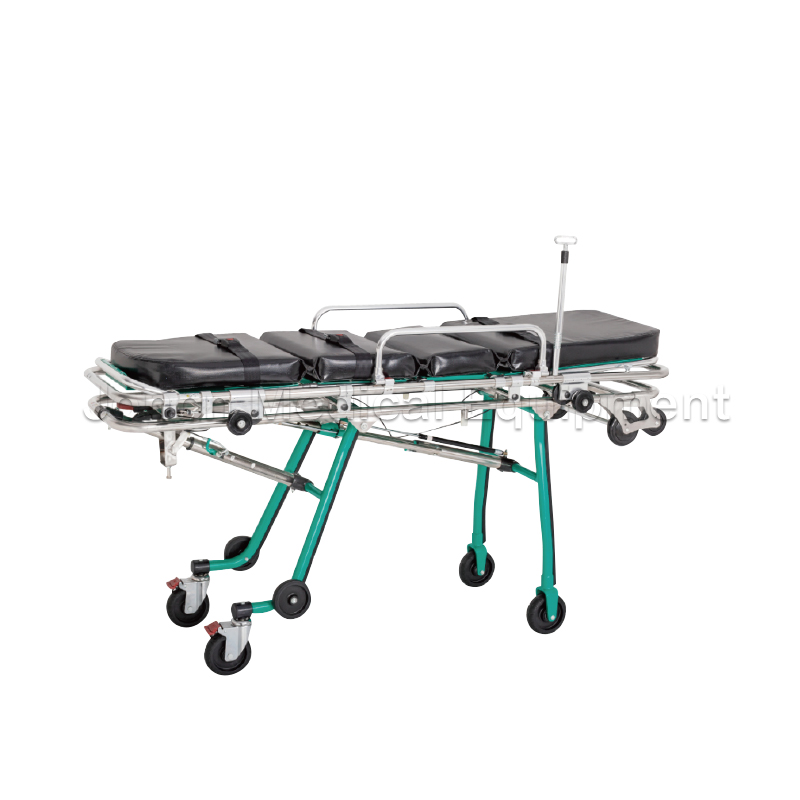
Key milestones in the evolution of the ambulance stretcher include:
Ergonomics and Patient Comfort
Beyond the functional aspects, the design of the ambulance stretcher is increasingly focused on ergonomics for both the patient and the provider. For the patient, this means the use of high-density foam mattresses, pressure-relieving surfaces, and articulated sections that can conform to the body’s natural curves. This is especially crucial for long-distance transports or for patients with spinal injuries, where proper alignment is paramount.
For the provider, ergonomic design is a matter of safety and sustainability. Features like easy-to-grip handles, intuitive controls, and balanced weight distribution reduce the physical burden of lifting and maneuvering, allowing them to focus their energy on patient care.
The Future of Transport Technology
Looking ahead, the ambulance stretcher will continue to evolve. We can anticipate further integration of technology, with potential features including:
In conclusion, the ambulance stretcher is far more than a simple piece of equipment. It is a critical component of the EMS ecosystem, embodying a century of innovation aimed at improving patient outcomes and protecting the health and safety of providers. It is the first link in the chain of care, and in its quiet, reliable service, it stands as the unsung hero of pre-hospital medicine.
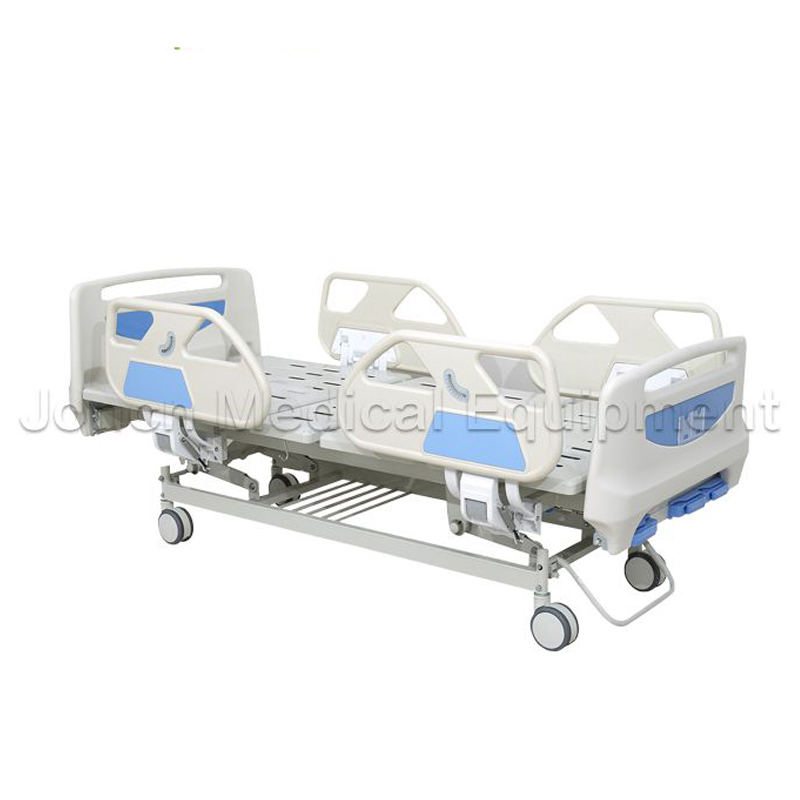
The MD200002 3-function abs material manual medical bed, a versatile and reliable addition to any healthcare facility. With dimensions measuring 2050x970x(500-770)mm and a sturdy build capable of bear...
See Details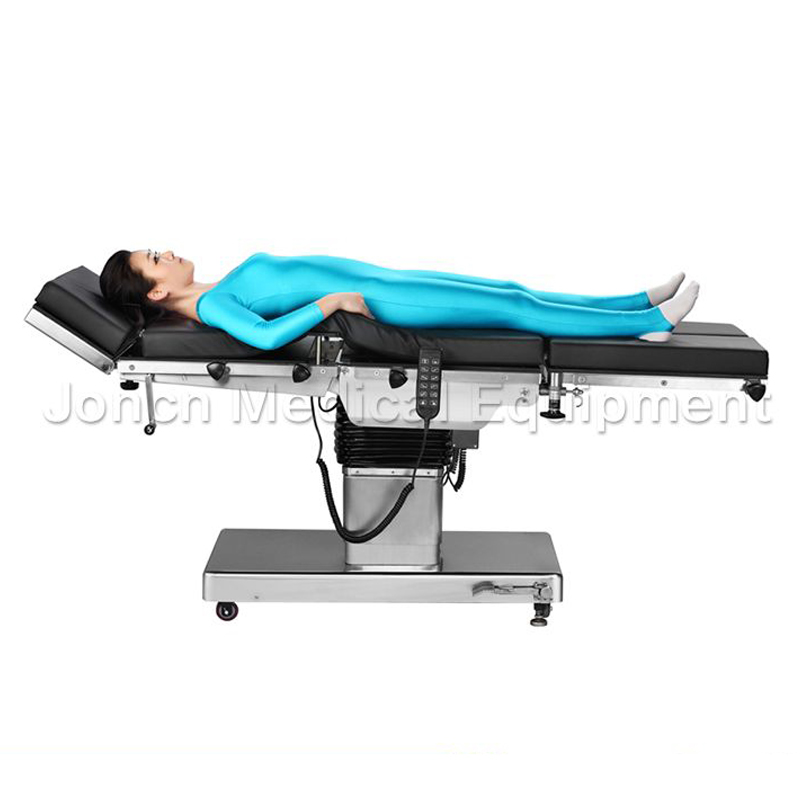
6-Function hydraulic stretcher trolley with X-ray capabilities, meticulously designed to elevate your surgical operations to new heights. Crafted with precision from full 304 stainless steel, this tro...
See Details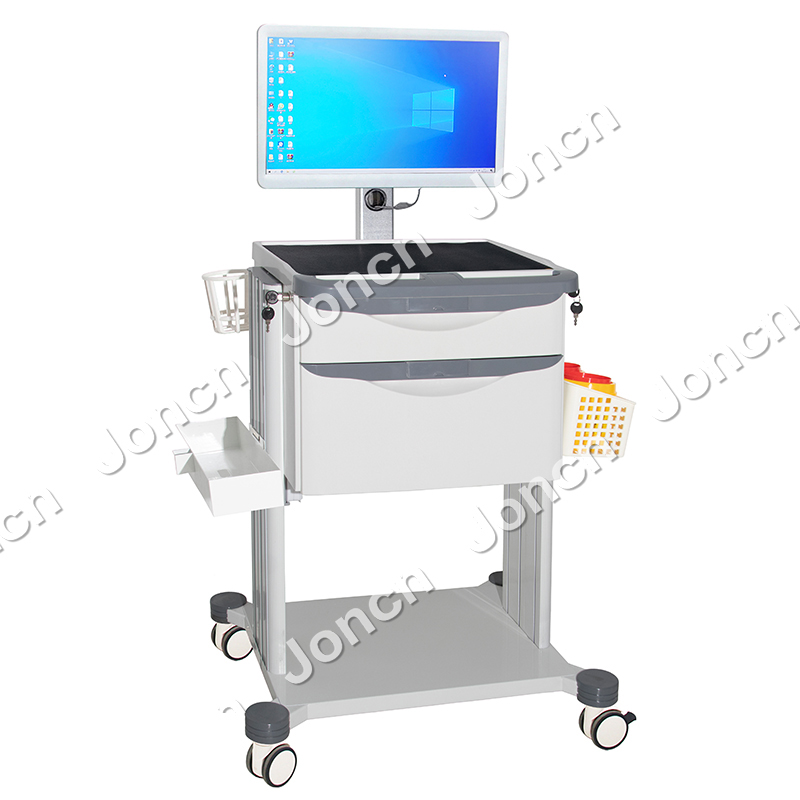
This high-quality wireless nursing trolley, made of easy-clean, eco-friendly, smooth ABS plastic, is quite suitable for the medical working environment.It is designed with the working habits and comfo...
See Details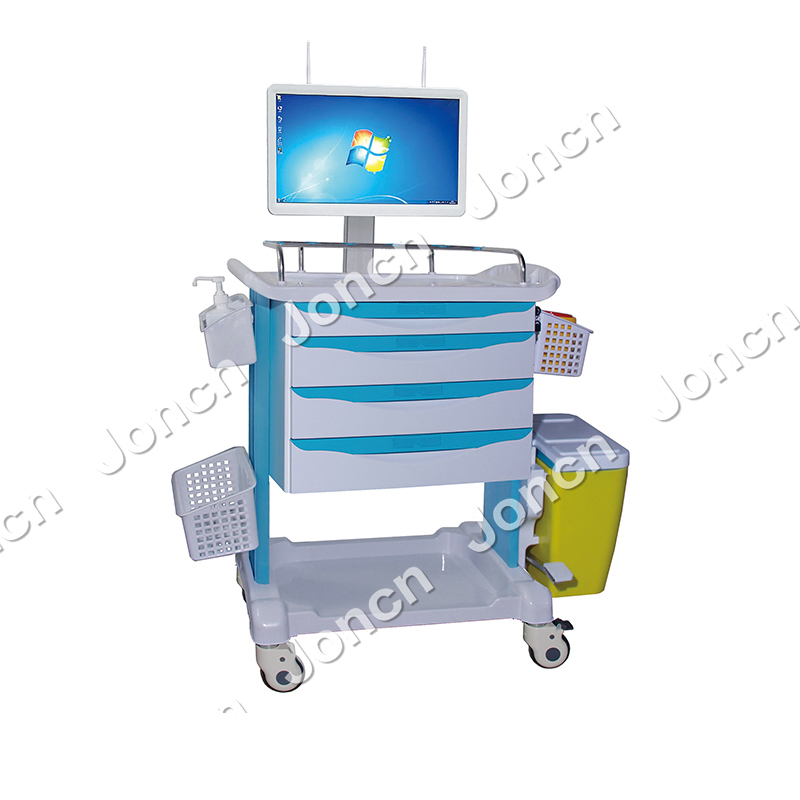
This well-designed wireless nursing trolley adopts a modular design, which allows you to upgrade and expand based on future needs. Whether it's adding additional work surfaces or integrating new medic...
See Details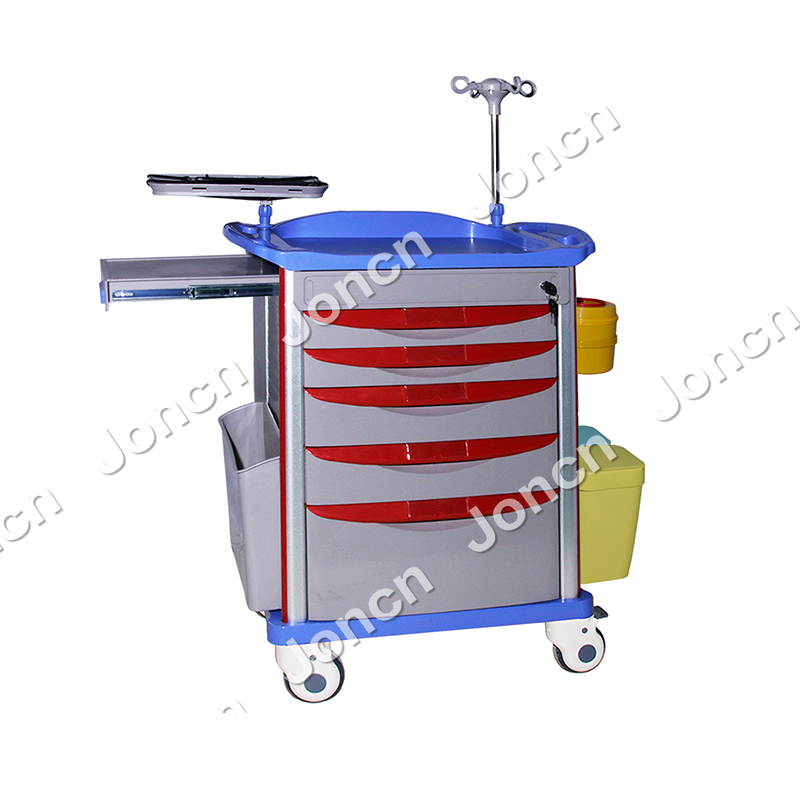
This humanized design emergency trolley is ergonomically designed to provide a comfortable hold even in emergencies. Buttons on the handles make it easy to lock or unlock the wheels, allowing the stro...
See Details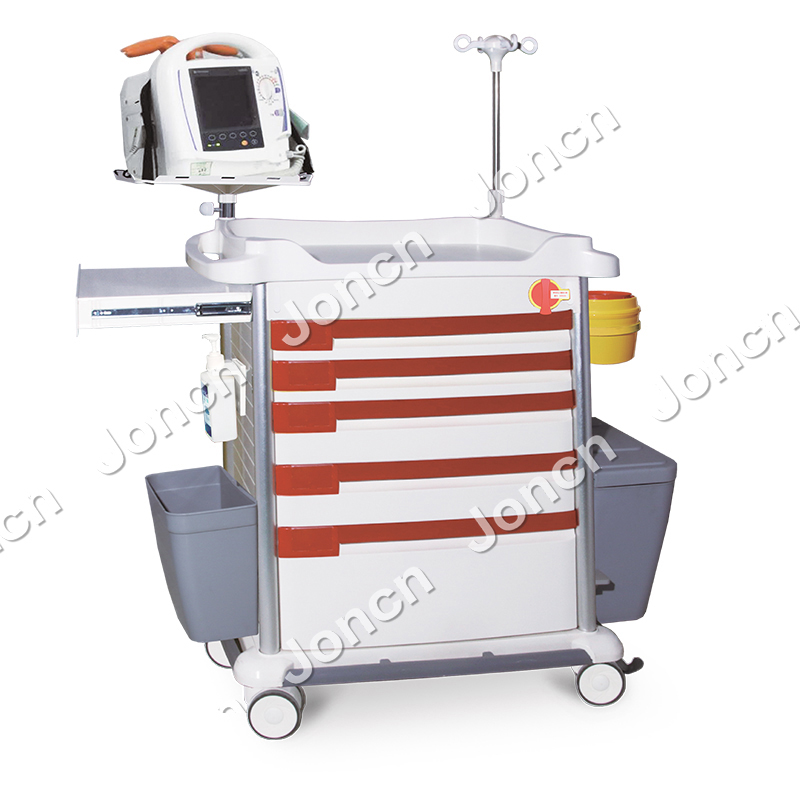
Joncn ABS plastic emergency cart, the quality choice, ABS plastic has impact and abrasion resistance, allowing it to withstand frequent use and cleaning and disinfection in medical environments. The l...
See DetailsIf you are interested in our products, please consult us
contact details
Address : Tonggang Avenue, Danbei Houxiang Town, Danyang City, Jiangsu Province.
Fax : +86-0511-85669968
Tel: +86-0511-85669968
Email: Joncn@joncn.com
Products
Mobile terminal
